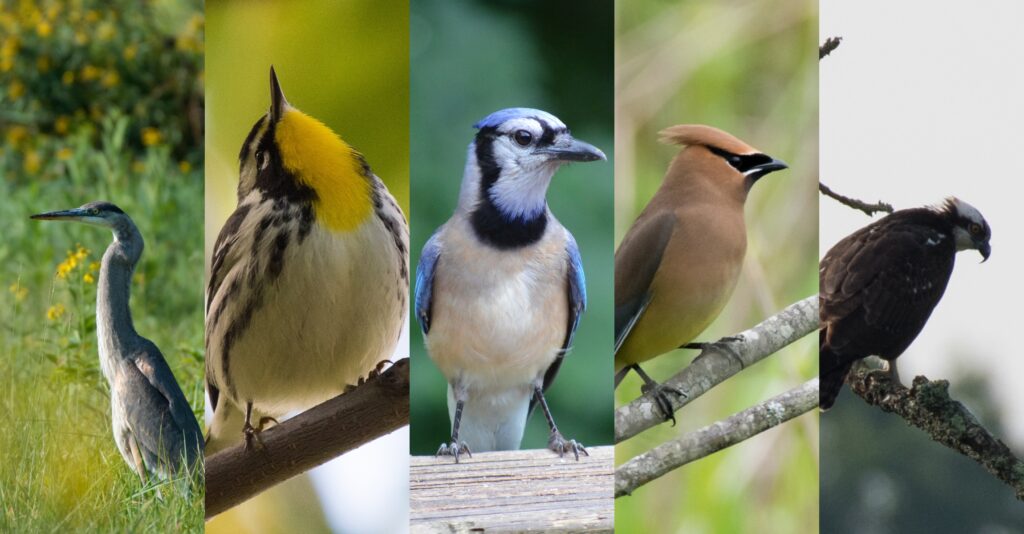
Birds of North Carolina
What’s that bird?
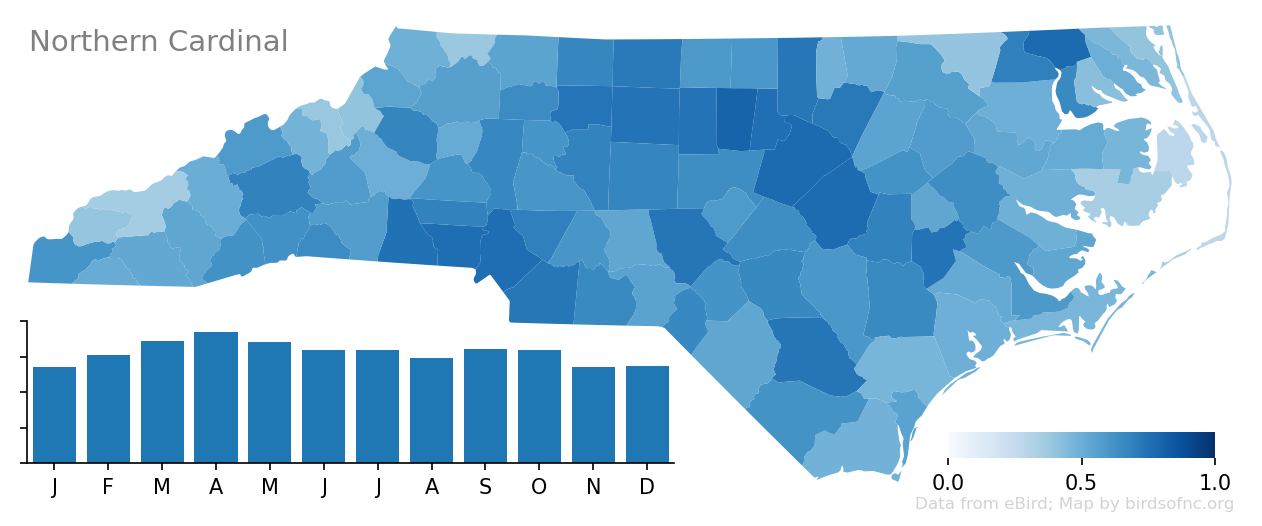
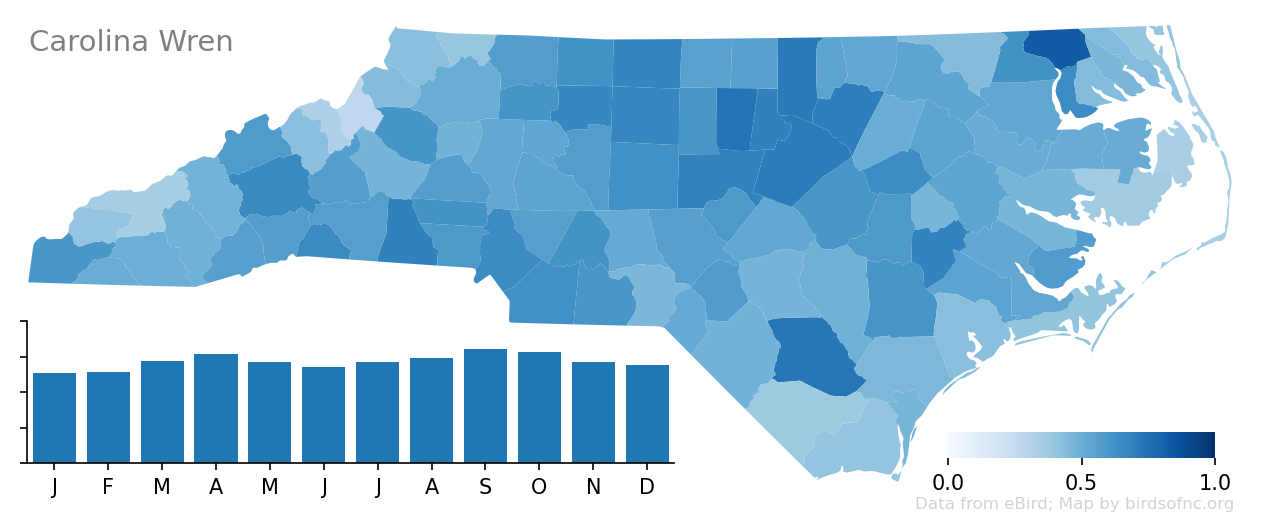
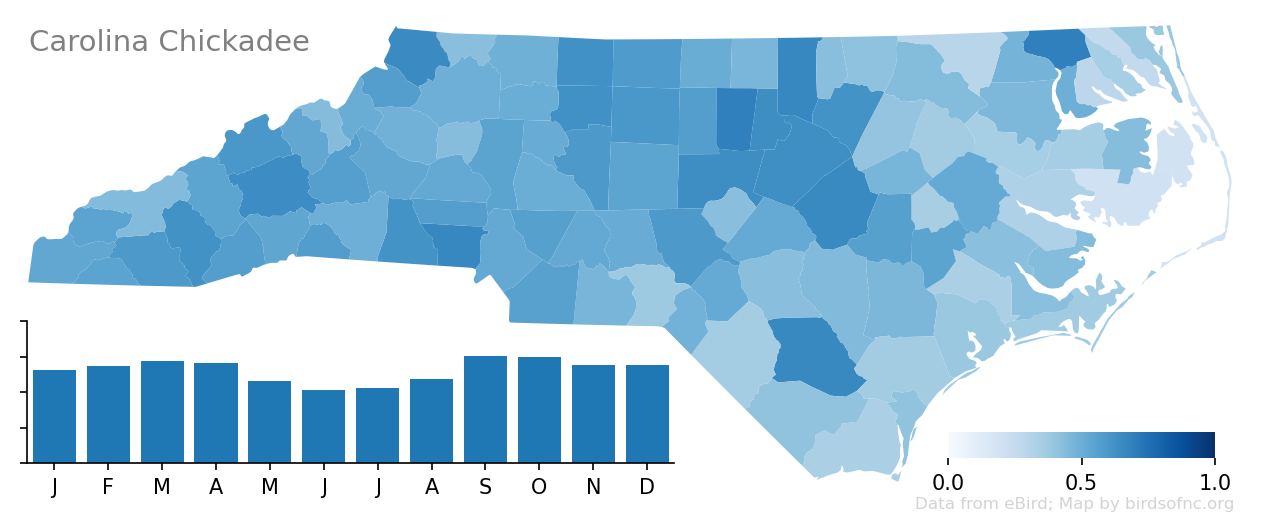
North Carolina is full of great birds. See one you don’t recognize? Scroll down to see some of the common (and not so common) birds that live here. More common birds are listed toward the top, with birds (generally) becoming less common as you scroll down the page. Maps and time series show the distribution of sightings over the past decade. See the About page for some notes on commonness.
Note that, for many birds, colors and behavior can vary based on sex, age, and season. Male birds tend to be more colorful, while female and adolescent birds may have better camouflage. So even if you see a common species, it might not look like the examples below. Use the AllAboutBirds links to learn more about each species. (This website is a work in progress, and will be expanded over time. Please do not use the information here for anything important until it is more finalized.)
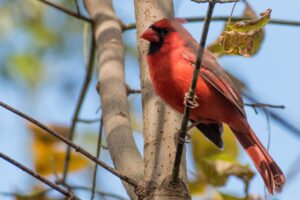
1. Northern Cardinal
What’s the most commonly reported bird in North Carolina? It’s the Northern Cardinal! It has a bright red bird with a pointed crest on its head. The female looks similar, but a more brownish shade of red.
Range map. Learn more at AllAboutBirds
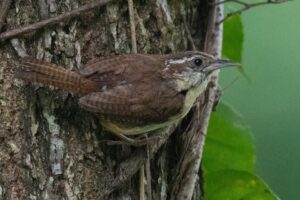
2. Carolina Wren
Range map. Learn more at AllAboutBirds
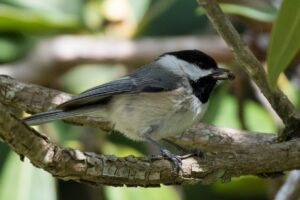
3. Carolina Chickadee
Range map. Learn more at AllAboutBirds
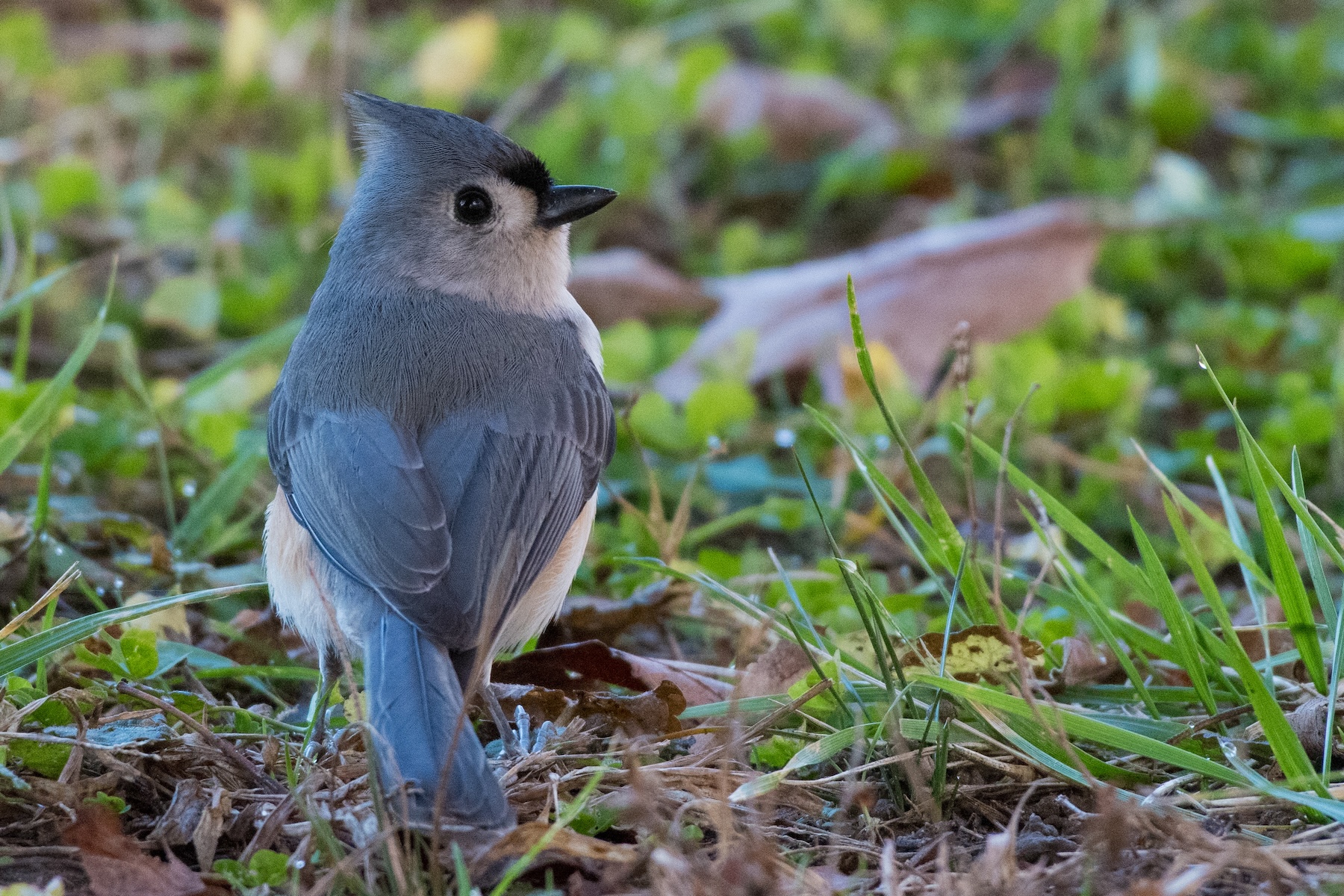
4. Tufted Titmouse
The Tufted Titmouse gets its name from the small tuft of feathers on its head. This little gray bird is a frequent visitor to feeders and seems most common in winter.
Learn more at: AllAboutBirds
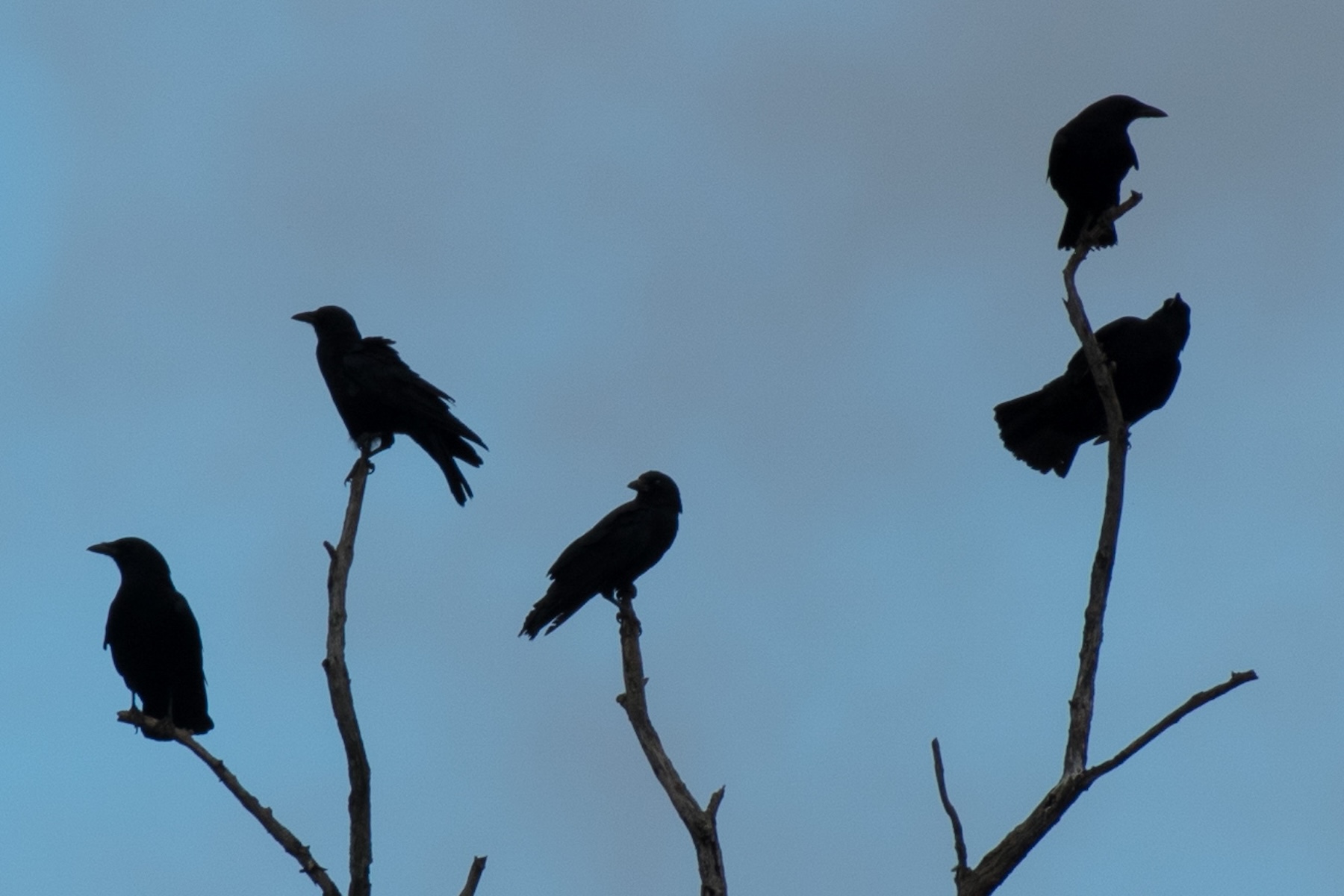
5. American Crow
Learn more at: AllAboutBirds
6. Mourning Dove
Learn more at AllAboutBirds
7. Red-bellied Woodpecker
Learn more at: AllAboutBirds
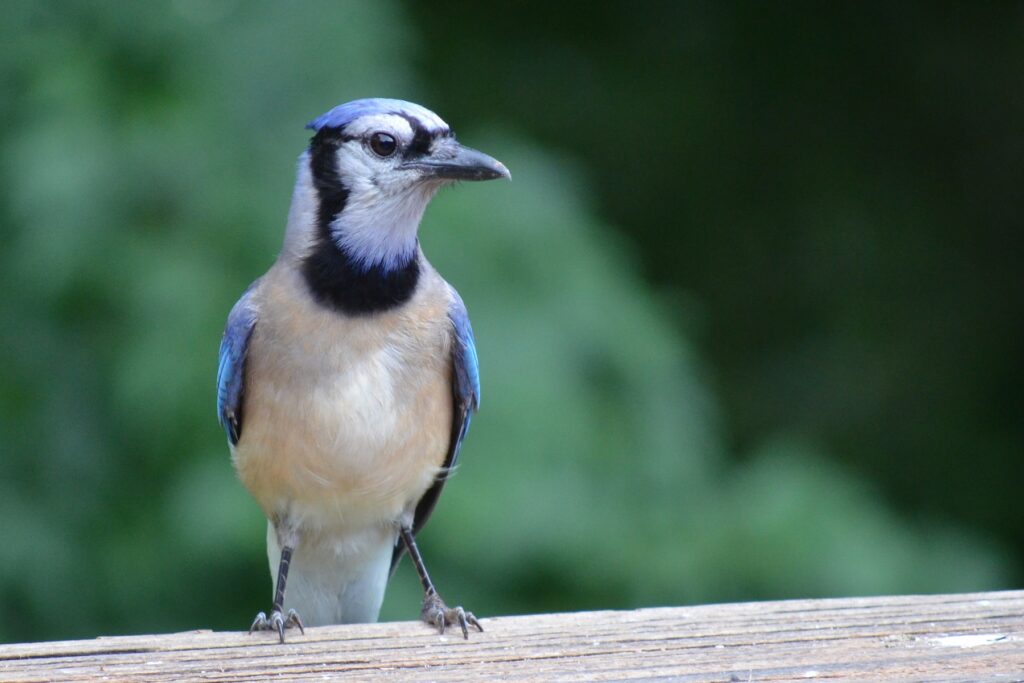
8. Blue Jay
Learn more at AllAboutBirds
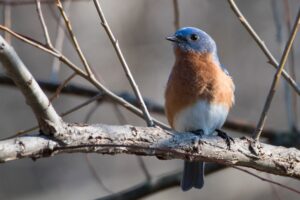
9. Eastern Bluebird
Learn more at AllAboutBirds
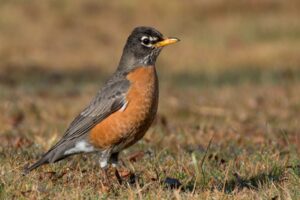
11. American Robin
Learn more at AllAboutBirds
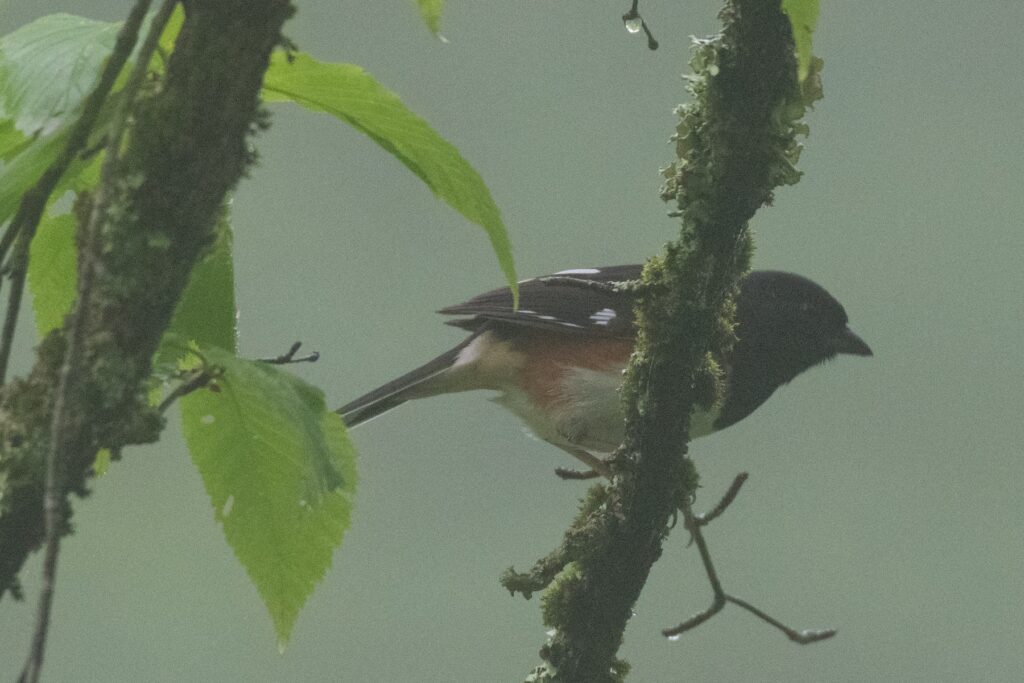
12. Eastern Towhee
Learn more at AllAboutBirds
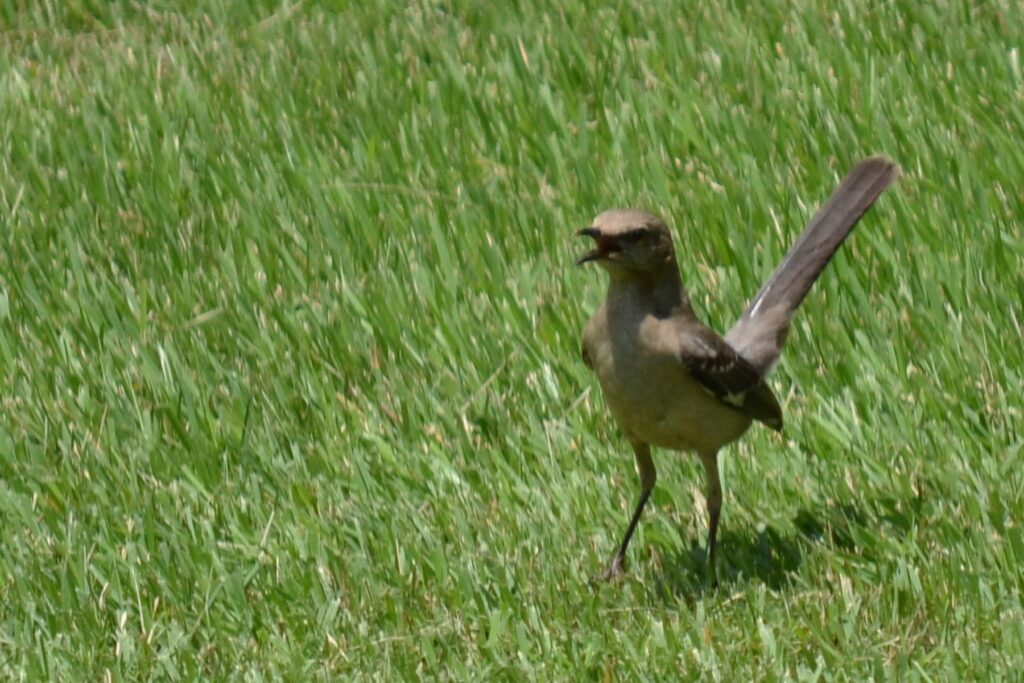
13. Northern Mockingbird
Learn more at AllAboutBirds
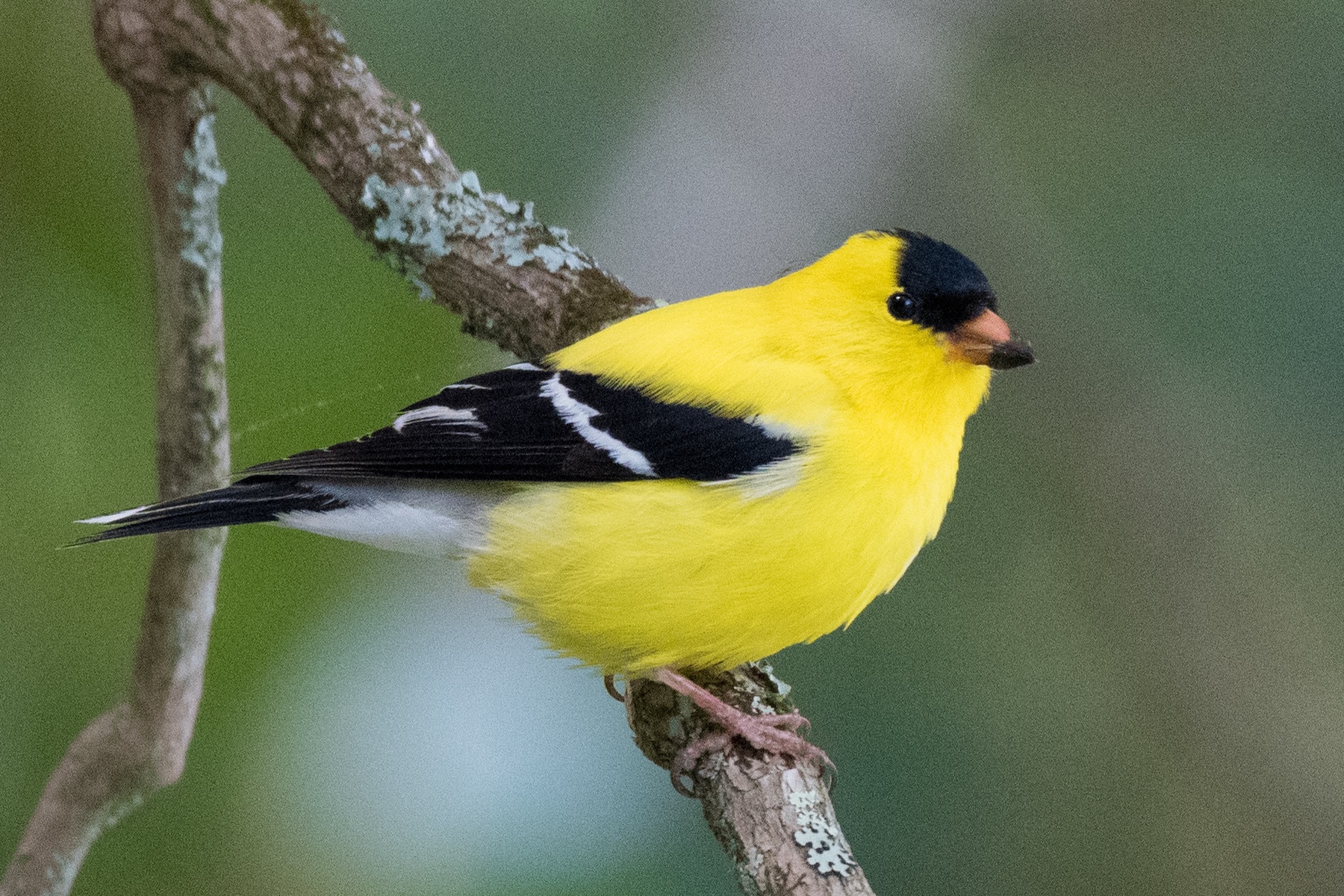
14. American Goldfinch
Learn more at: AllAboutBirds
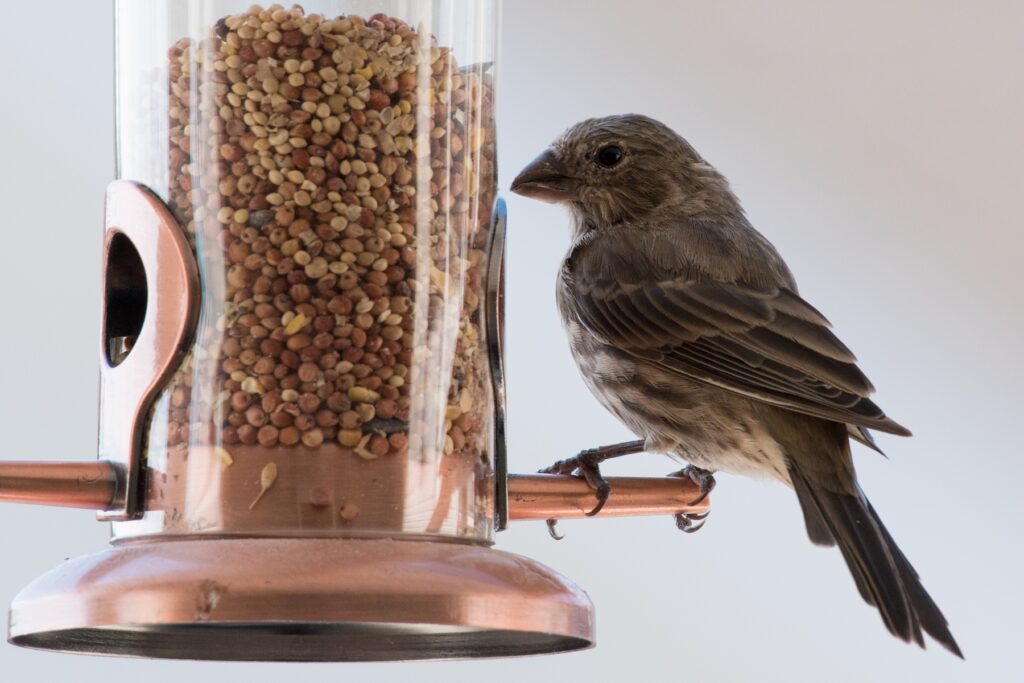
15. House Finch
Learn more at AllAboutBirds
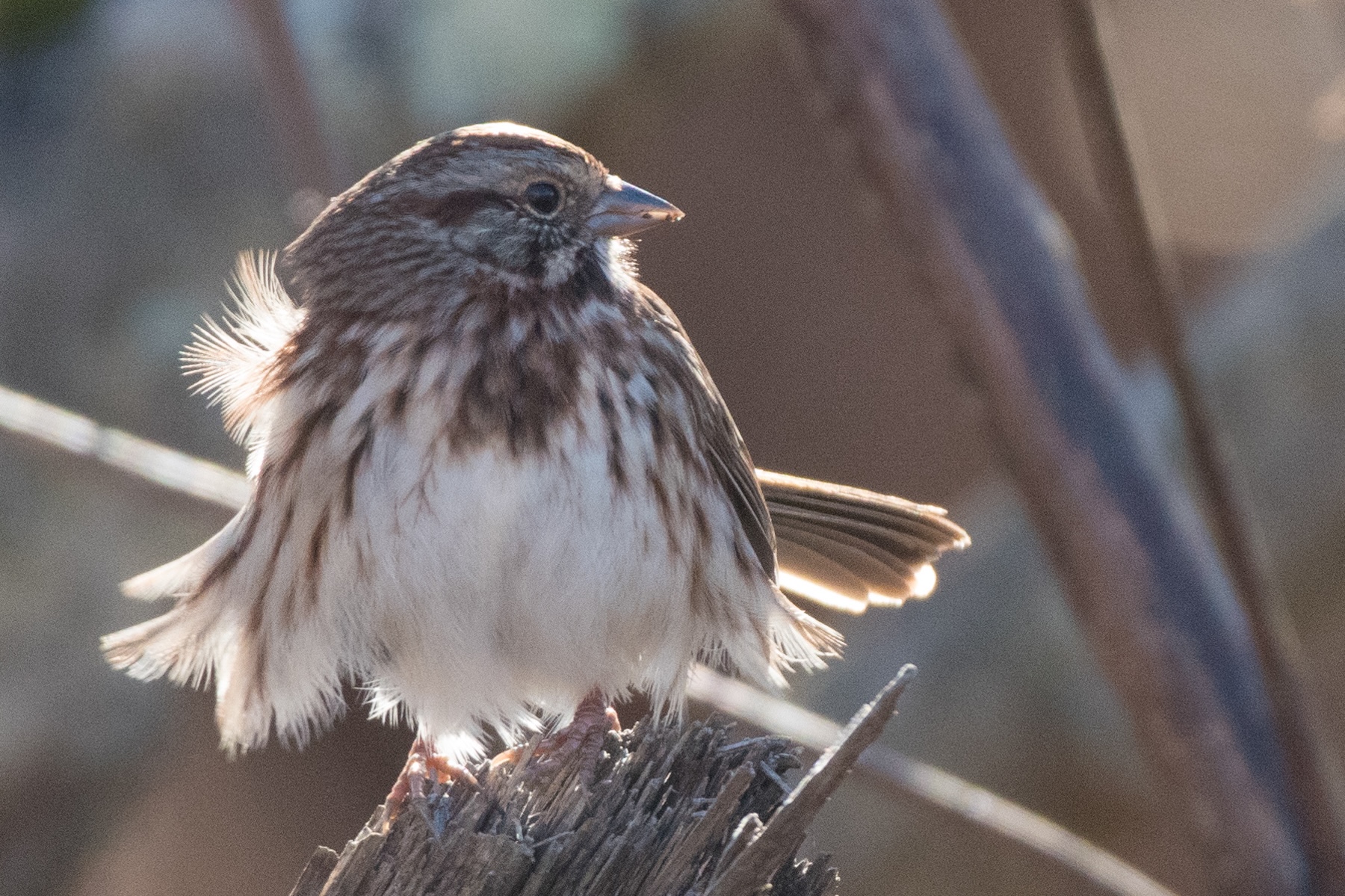
16. Song Sparrow
Song Sparrows are quite loud, especially on windy November mornings like the one here.
Learn more at: AllAboutBirds
17. White-breasted Nuthatch
Learn more at AllAboutBirds
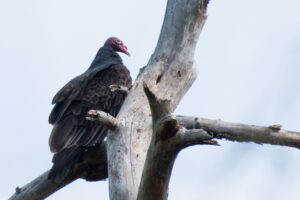
18. Turkey Vulture
Learn more at AllAboutBirds
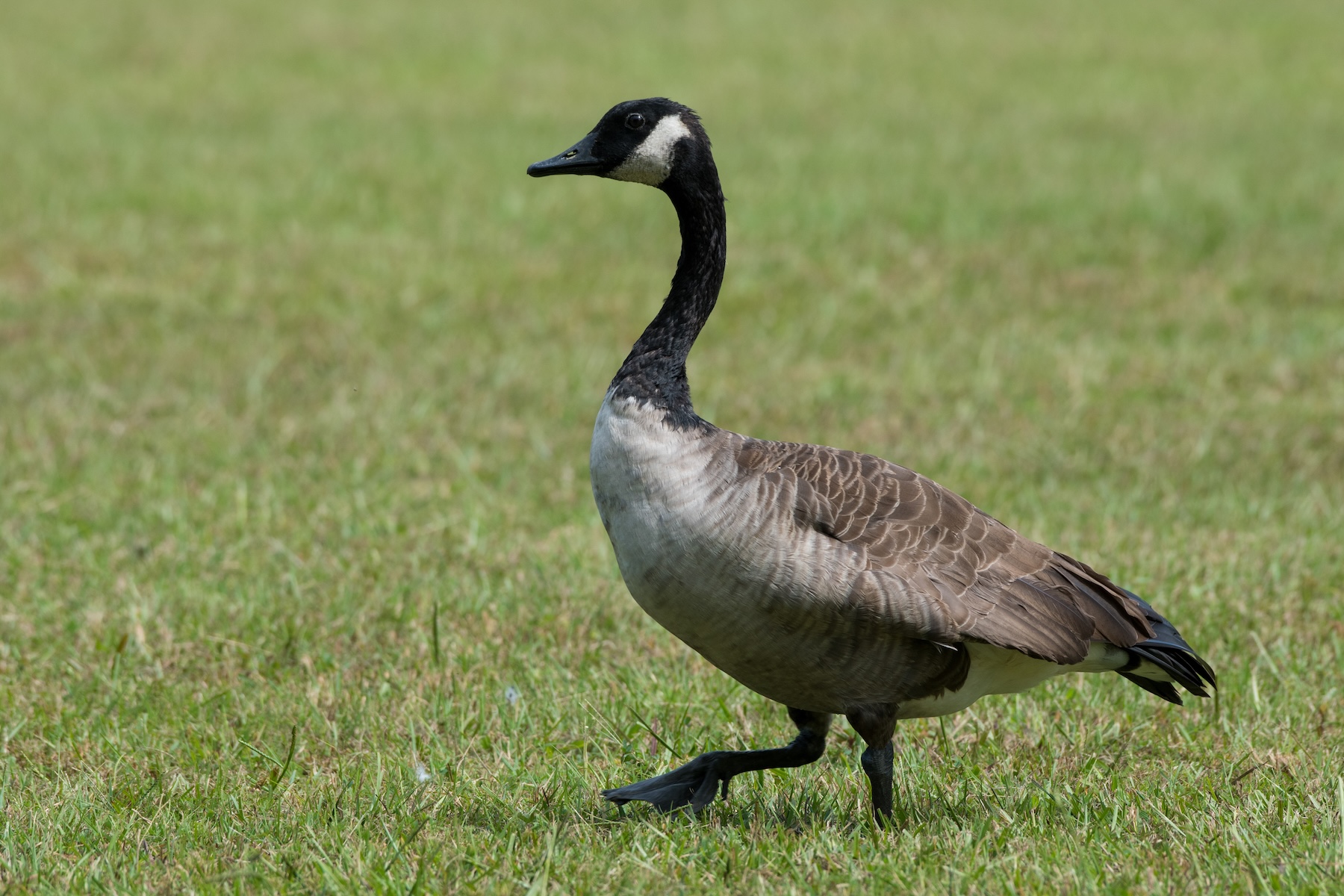
23. Canada Goose
Learn more at: AllAboutBirds
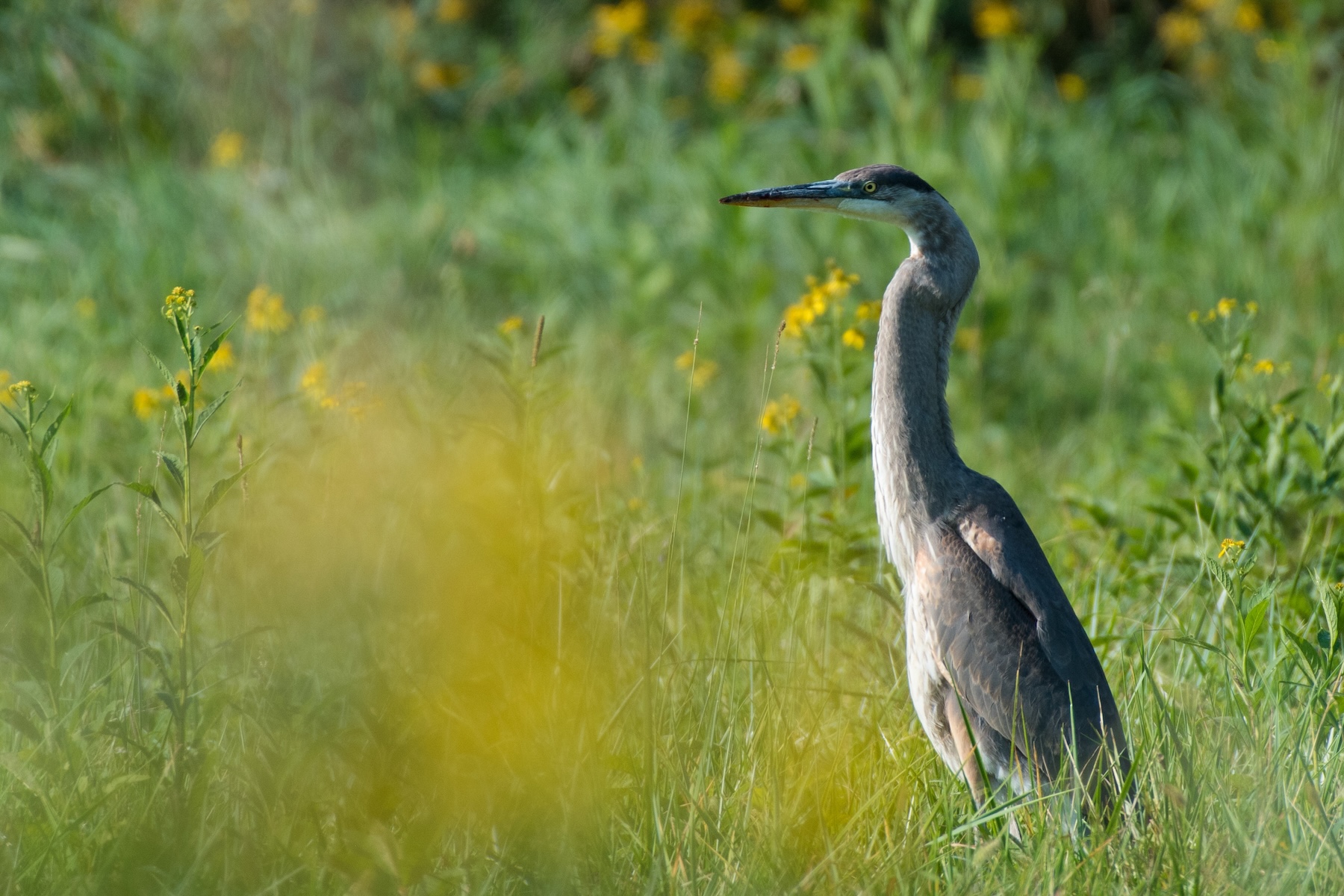
24. Great Blue Heron
Tall and glaceful, with a long neck and long legs, the Great Blue Heron reminds the viewer of dinosaurs of old.
Learn more at: AllAboutBirds
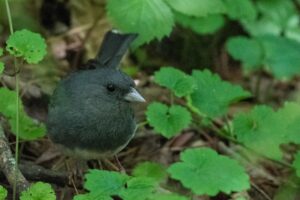
30. Dark-eyed Junco
Dark-eyed Juncos have different colors in different regions of the U.S. In the eastern U.S., we have the “slate-colored” Dark-eyed Junco, shown here.
Learn more at AllAboutBirds
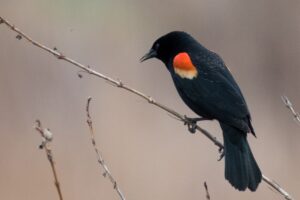
32. Red-winged Blackbird
Learn more at AllAboutBirds
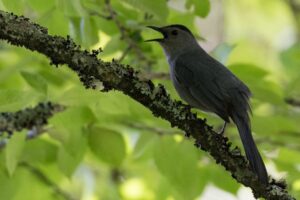
36. Gray Catbird
Learn more at AllAboutBirds
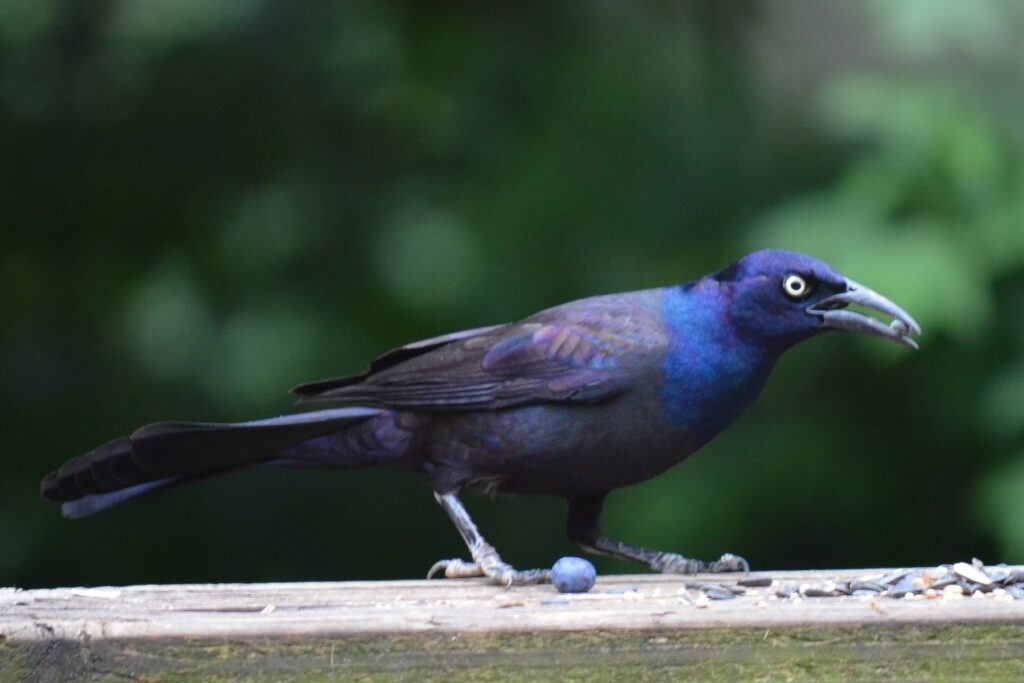
37. Common Grackle
Learn more at AllAboutBirds
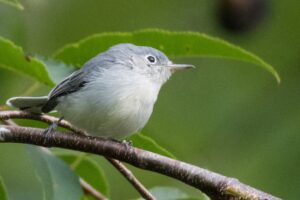
38. Blue-gray Gnatcatcher
Learn more at AllAboutBirds
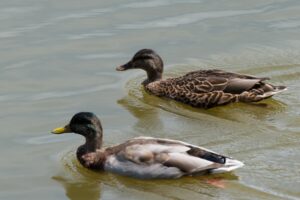
40. Mallard
Learn more at AllAboutBirds
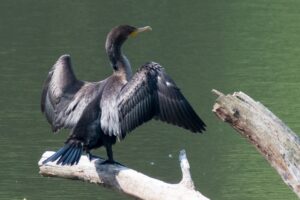
41. Double-Crested Cormorant
Learn more at AllAboutBirds
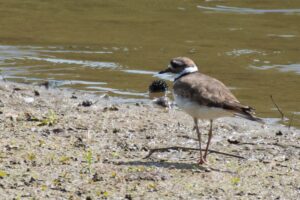
43. Killdeer
Learn more at AllAboutBirds
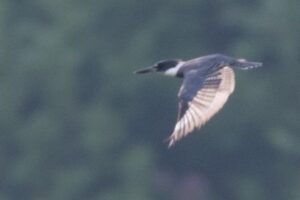
44. Belted Kingfisher
Learn more at AllAboutBirds
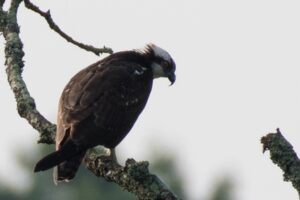
60. Osprey
Learn more at AllAboutBirds
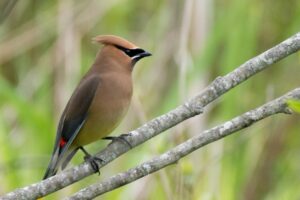
61. Cedar Waxwing
Learn more at AllAboutBirds
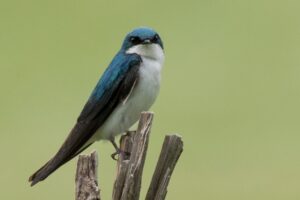
78. Tree Swallow
Learn more at AllAboutBirds
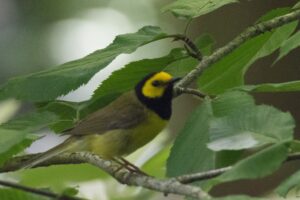
85. Hooded Warbler
Hooded Warblers have a yellow mask and a black head (and are normally in focus).
Learn more at AllAboutBirds
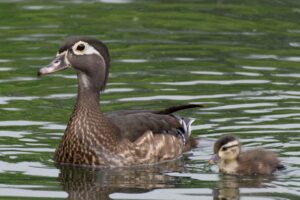
87. Wood Duck
Learn more at AllAboutBirds
90. Green Heron
Learn more at AllAboutBirds
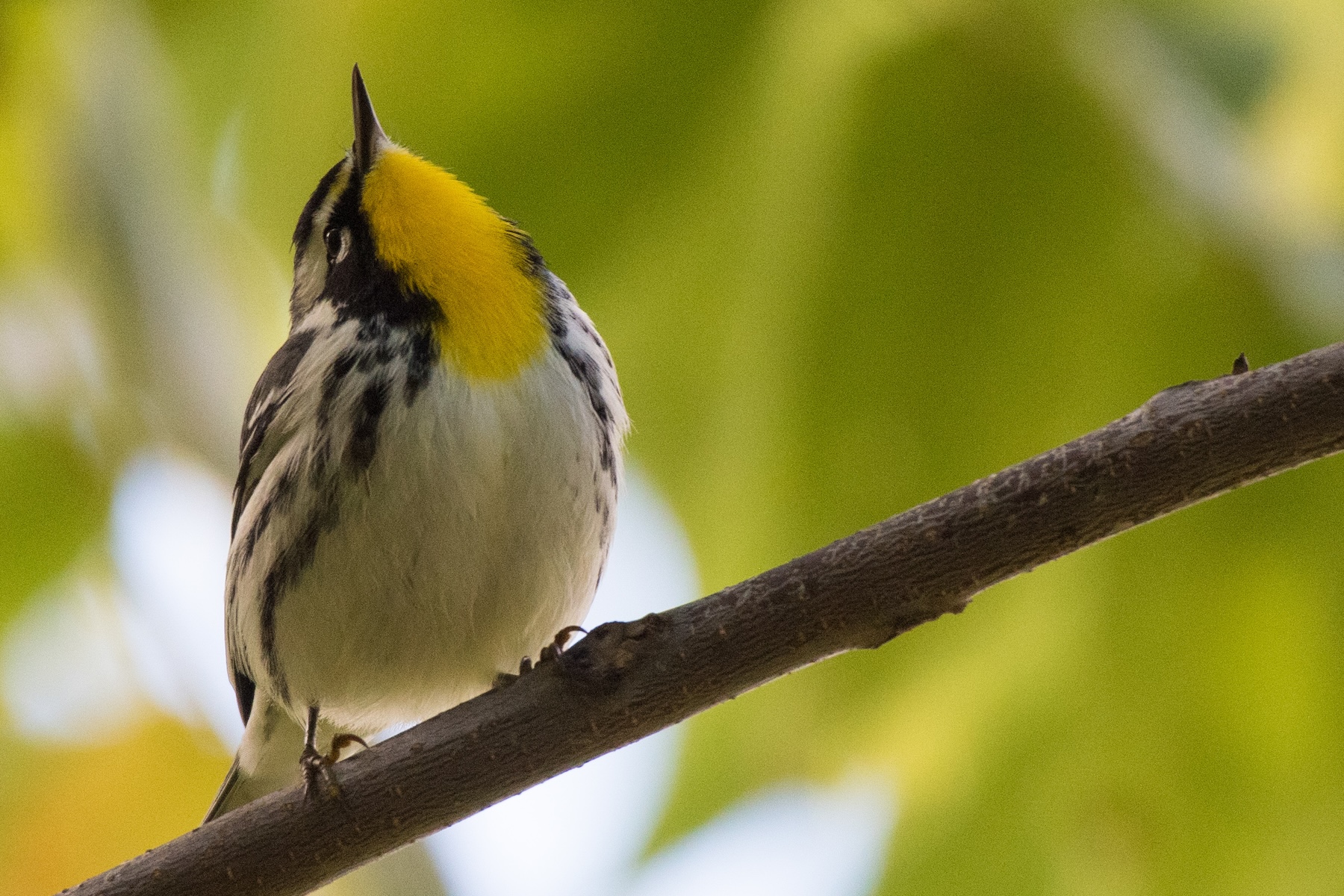
102. Yellow-throated Warbler
Learn more at: AllAboutBirds
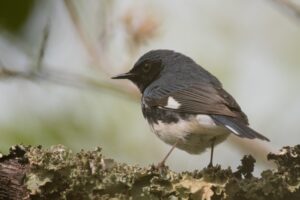
109. Black-throated Blue Warbler
Learn more at AllAboutBirds